Karol Bagh, New Delhi – 110005

Ek Viswas Atoot

THE DIAMOND COLLECTION

Diamond.

Natural or lab-grown. Your choice.

Discover natural and laboratory-grown diamonds, understand how they form, then explore your favourite shape. Ask about options that match your preferred type, size and budget.

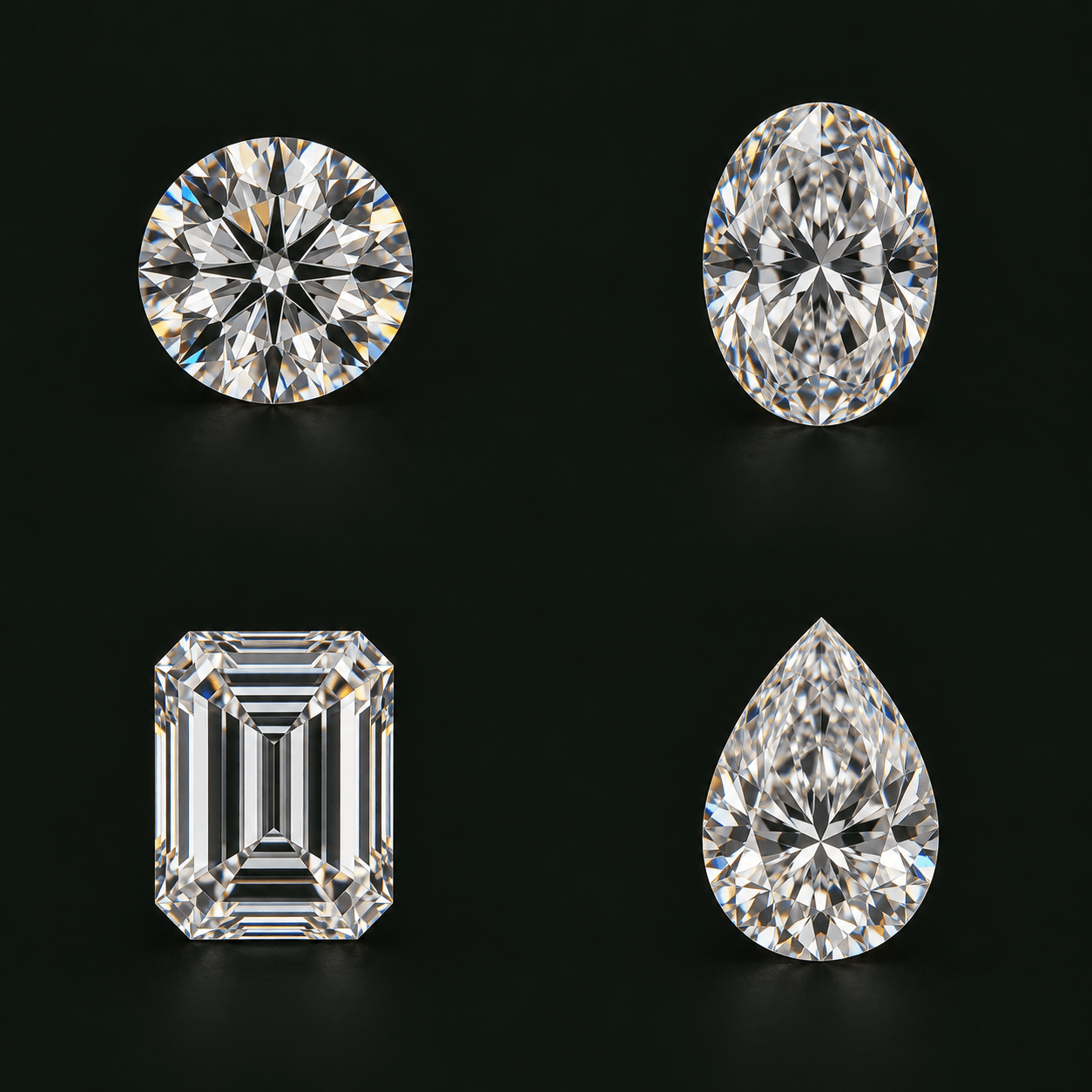
ColourlessDiamond4 illustrated silhouettes
Discover both diamond types
Round Diamond — illustrative shape study
Light, in its most captivating form.ILLUSTRATIVE SHAPE STUDY
TWO GROWTH ORIGINS. ONE PERSONAL CHOICE.

Your diamond.
Your beginning.

Discover the story behind each option.
Choose a preference, then explore the shapes.

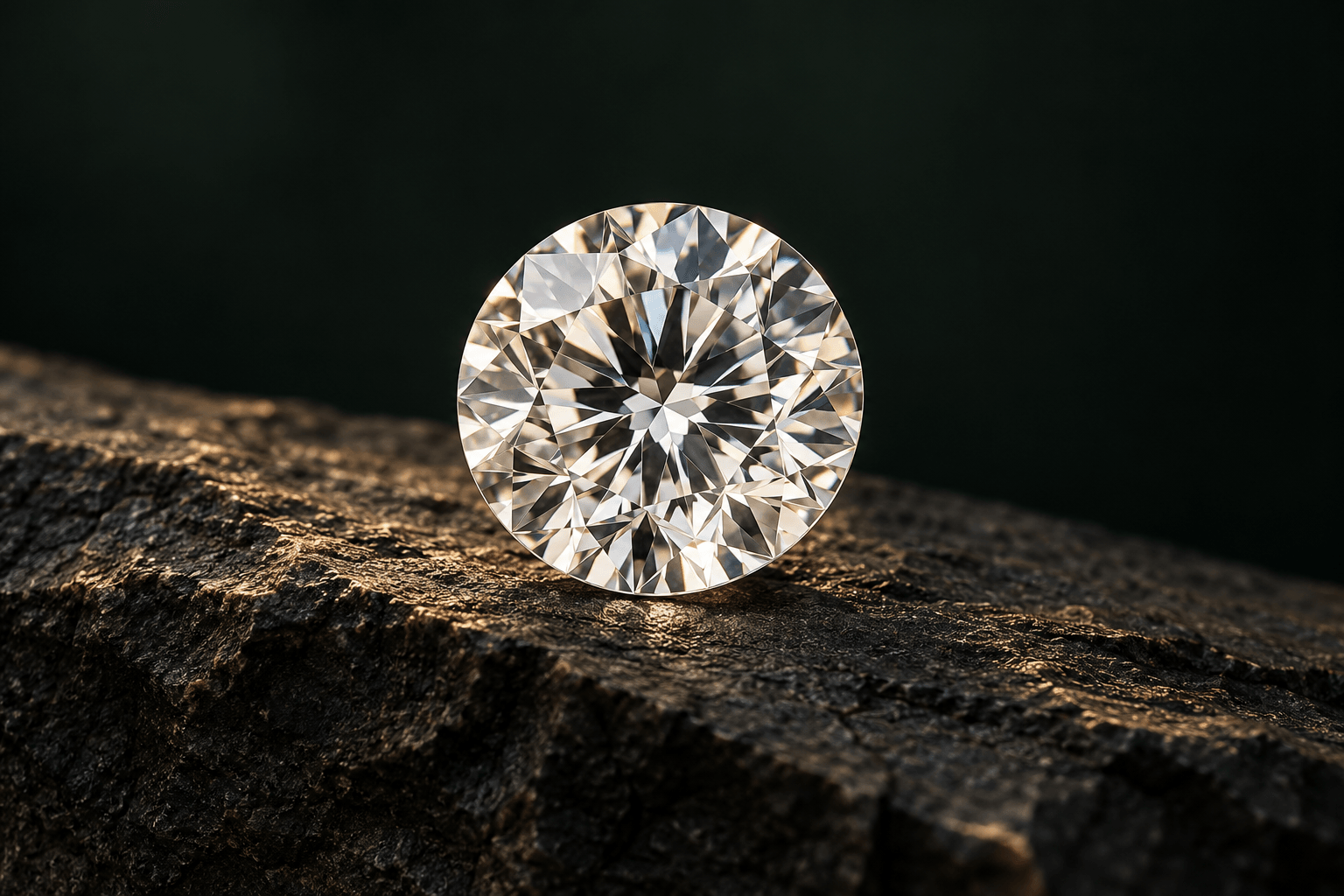
Illustrative round diamond on a dark stone ledge for the natural diamond collectionILLUSTRATIVE COMPOSITION
FORMED IN THE EARTH

Natural diamonds

Formed deep within the Earth through natural geological processes. Explore a diamond with a natural growth history and choose its shape around your own style.

  • Natural geological formation
  • Ask about individual quality and treatments
  • Request documentation of natural origin
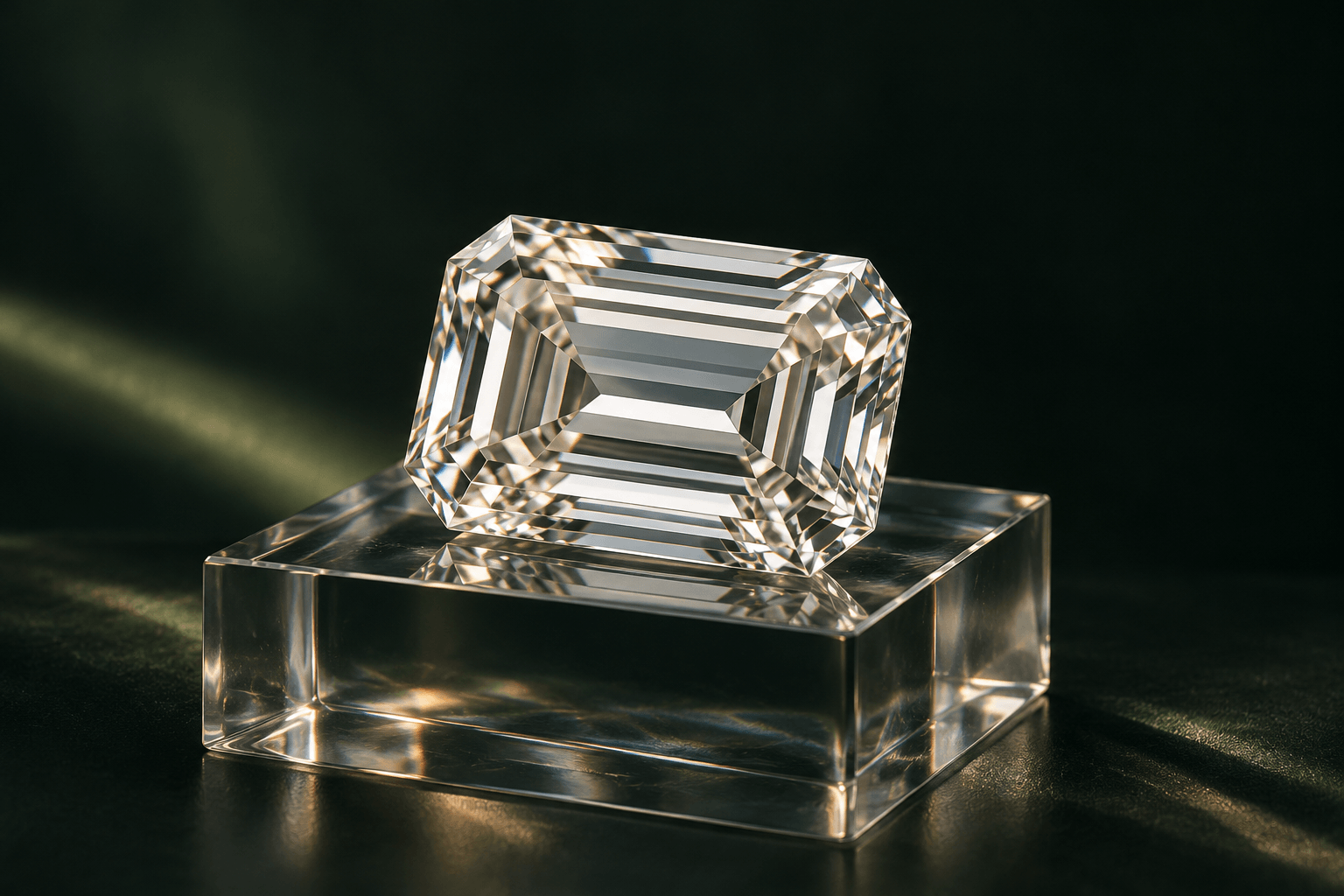
Illustrative emerald-cut diamond on a glass display for the laboratory-grown diamond collectionILLUSTRATIVE COMPOSITION
GROWN THROUGH TECHNOLOGY

Lab-grown diamonds

Created in a controlled environment using HPHT or CVD growth methods. These are diamonds made of crystalline carbon, with essentially the same core properties as natural diamonds.

  • Laboratory growth: HPHT or CVD
  • Ask about individual quality and treatments
  • Request documentation of laboratory-grown origin

Both types can be cut into the shapes below. Styling and photographs do not establish growth origin; confirm the individual stone’s identity and documentation. Moissanite is a separate material.

Read GIA’s guide
FIND YOUR SILHOUETTE

A different shape.
The same fascination.

Save what catches your eye. Ask about actual
stones, sizes, reports and individual pricing.

SHAPE
Explore the shapes, then tell us if you prefer natural or lab-grown.
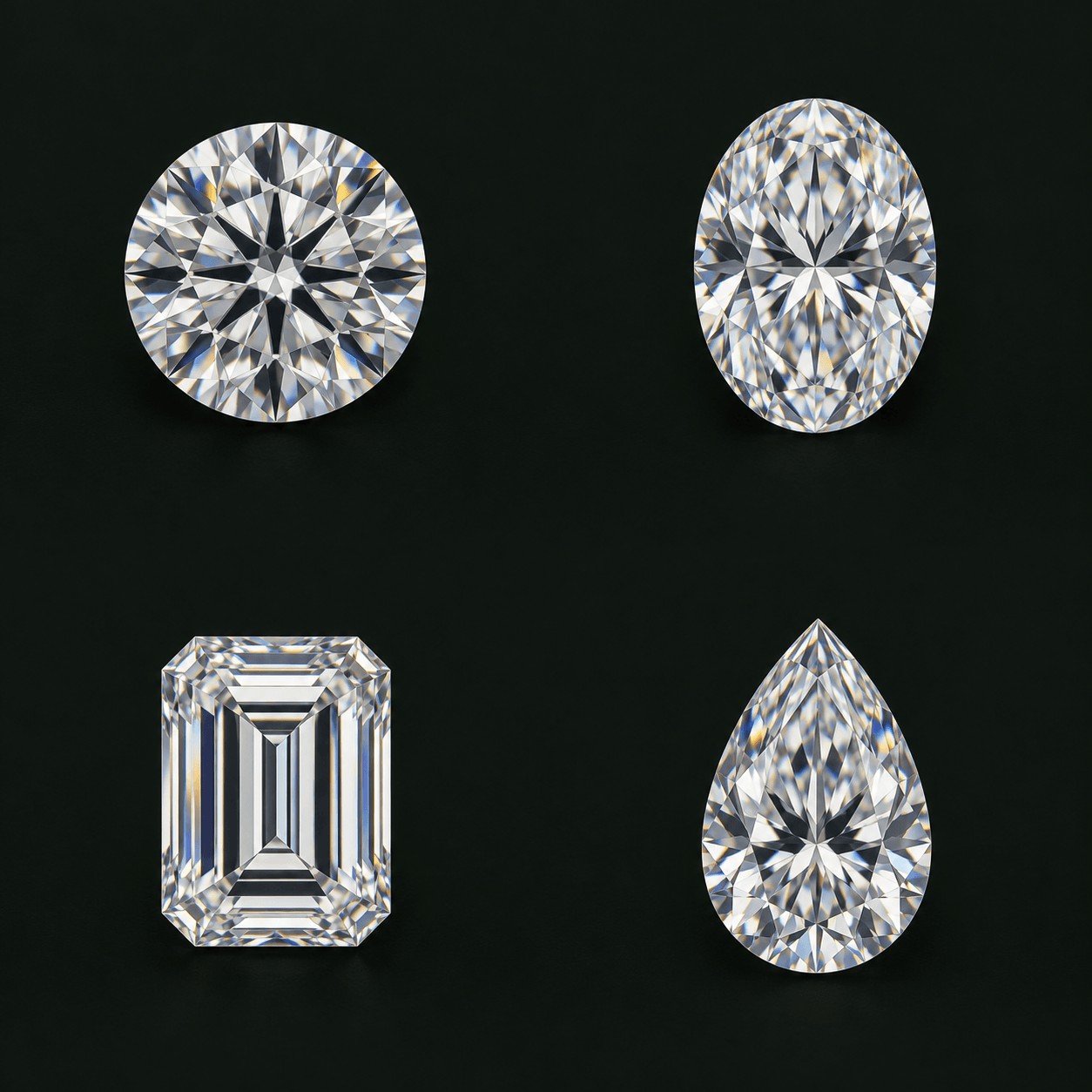
4 shapes to explore
Faceted study
DIAMOND / ROUND

A balanced circular silhouette with a timeless presence.

Faceted study
DIAMOND / OVAL

An elongated silhouette with soft, continuous curves.

Faceted study
DIAMOND / EMERALD

An architectural outline and a beautifully considered step-cut arrangement.

Faceted study
DIAMOND / PEAR

A graceful teardrop silhouette, balancing a point with a rounded curve.

These images illustrate gemstone shapes. Availability, carat weight, origin, treatments, reports and prices are confirmed for each actual stone.

SHAPE, CUT & SIZE

Your stone.
Your proportions.

From familiar silhouettes to something entirely individual.
Build a request around the details that matter to you.

01

Find your silhouette

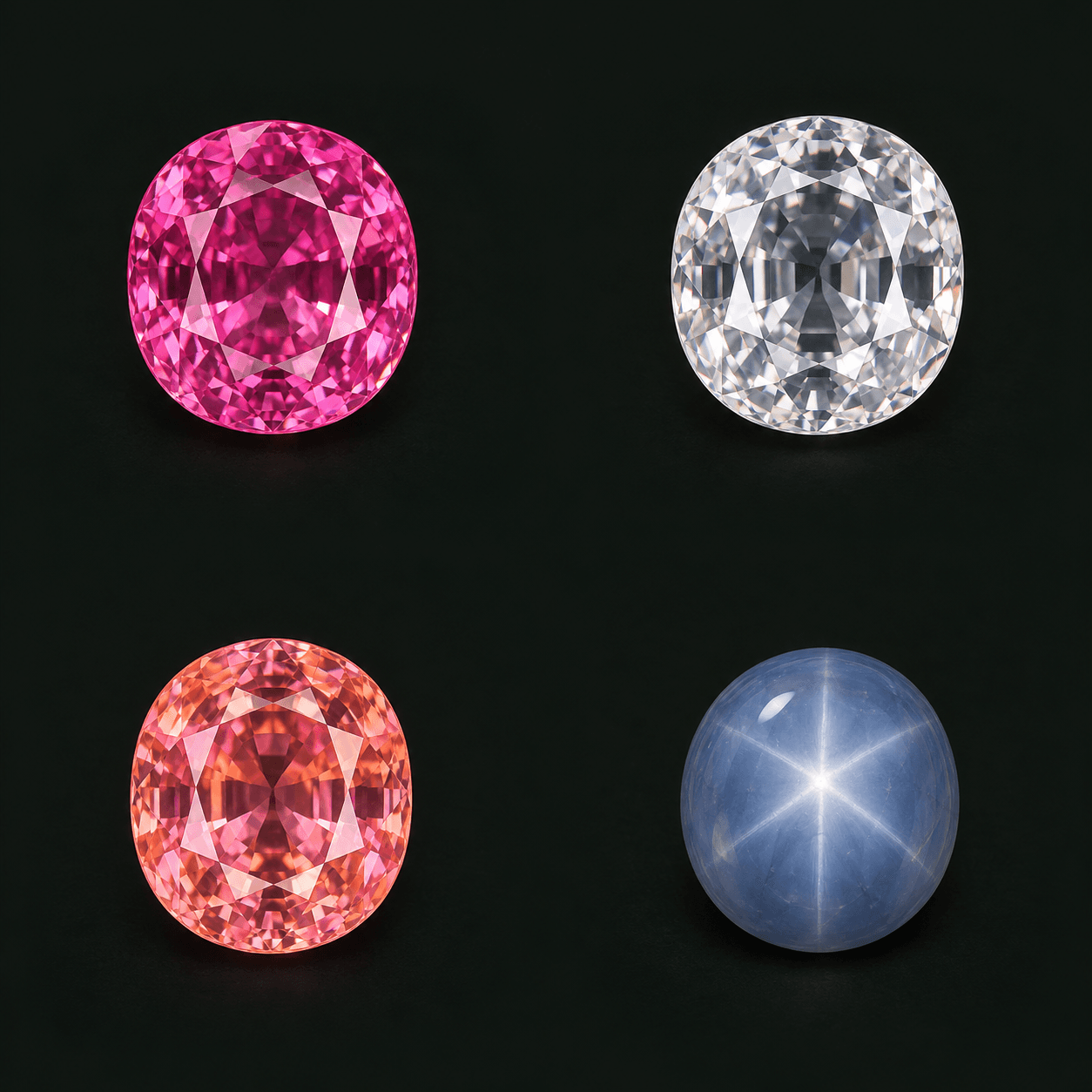
30 shape families + a custom option

Outlines are diagrams, not stone photographs. Shape names sometimes include a cutting style. Suitability depends on the gem material, rough and intended design.

02

Consider the cut

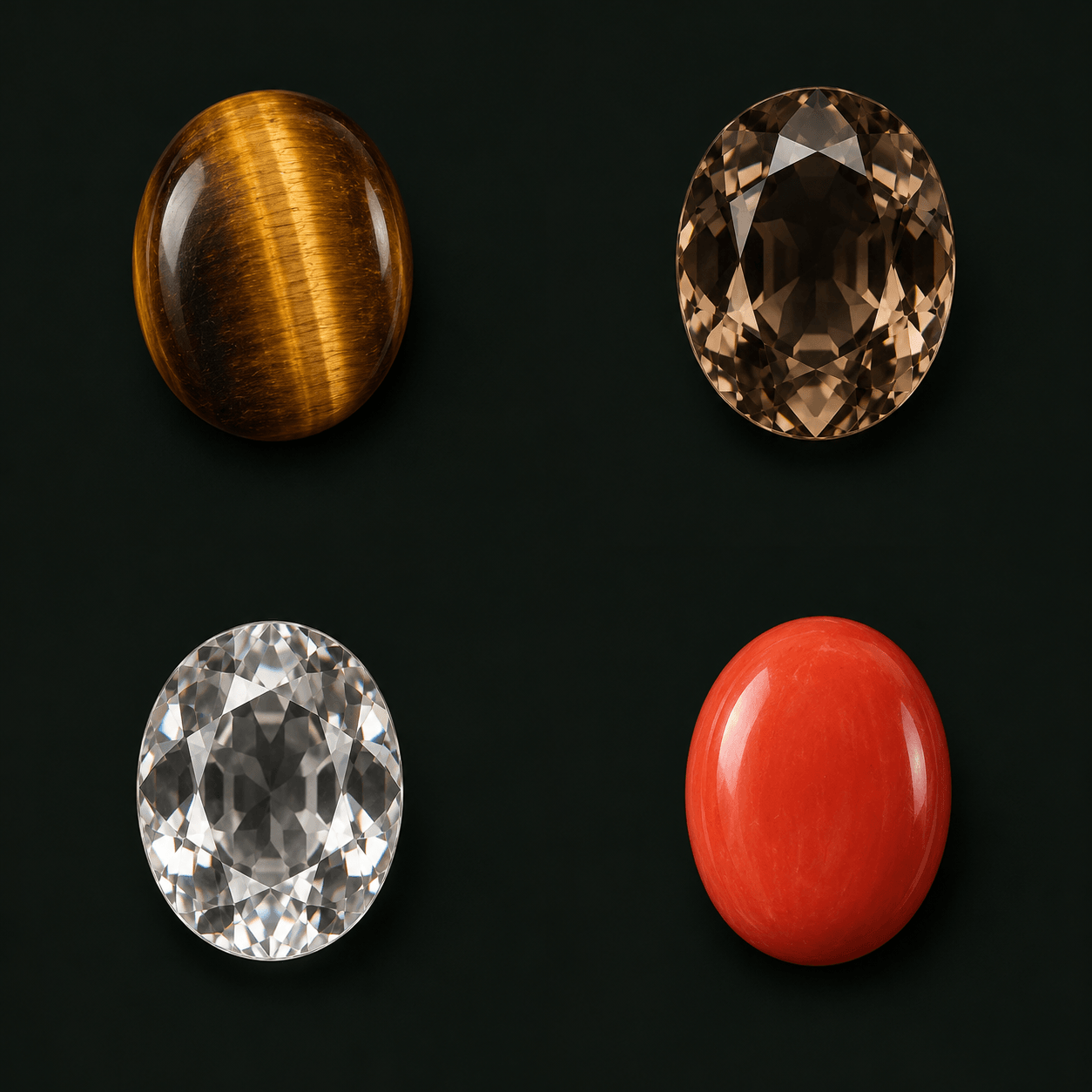
A step cut emphasises clean geometry; a cabochon has a smooth, domed surface. Star and cat’s-eye effects usually need an appropriately oriented cabochon.

03

Set your size preferences

Carat measures weight: 1 ct = 0.2 g. Millimetres describe dimensions. Equal carat weights can look different across materials, shapes and proportions.

Diamond · OvalAny weight / help me choose · No fixed dimensions

These are request options, not a list of available sizes. Any weight, dimensions, matching set or specialist cut can be requested; availability and suitability are confirmed individually.

A CLOSER LOOK

The character
of diamond.

Natural and laboratory-grown diamonds are crystalline carbon with essentially the same chemical, physical and optical properties. Their growth origin differs. Professional testing and documentation distinguish them; a photograph cannot establish origin.

Explore GIA’s diamond reference Educational reference only. It does not certify the illustrations or imply a business affiliation.